The Hidden Cost of Slow Follow-Up: How Practices Lose Revenue Without Realizing It

In every healthcare practice—regardless of specialty—there is a silent source of lost revenue that rarely gets discussed openly. It isn’t marketing inefficiency. It isn’t an outdated website. It isn’t even competition from newer practices. The most expensive and most common leak in the patient pipeline is much simpler: slow or inconsistent follow-up.
Most practices believe they follow up quickly enough. Yet when real data is analyzed, the gap between perception and reality is massive. The difference between a patient booking a consult and disappearing forever often comes down to just minutes—not hours, not days.
In a world where consumers expect instant communication, delayed responses carry a heavy price tag. In this article, we’ll break down why slow follow-up is so damaging, how much revenue practices lose because of it, and how tools like Docovia close that gap with automation that still feels human.
Modern Patients Expect Instant Answers
Patients today behave like consumers—which means they expect the same accessibility they get from Amazon, DoorDash, and online banking.
When someone reaches out to a practice, they’re motivated right now. They’ve done research. They’re ready to take the next step. But motivation is fragile. If a practice doesn’t respond while their intent is high, it quickly fades.
Studies across multiple healthcare verticals show:
- The chances of converting a digital lead drop by 80% after 5 minutes of waiting.
- By 30 minutes, the conversion probability drops to under 10%.
- The average healthcare practice responds within 5–48 hours, if at all.
This isn’t a small gap—it’s a canyon.
Where Slow Follow-Up Breaks the Patient Journey
The impact of delayed responses shows up in multiple areas of the growth funnel:
1. Intake Forms Go Unread
A lead submits your form at 8:30 PM. Your team responds at 9:30 AM the next morning. By that time:
- They may have booked elsewhere.
- They may have lost the urgency.
- They may not recognize your number or email.
2. Missed Calls Lead Nowhere
Many practices return missed calls only once. If the patient doesn’t answer, the lead goes cold.
3. Staff Multitasking Slows Everything Down
Front desk teams juggle:
- In-office patients
- Insurance issues
- Scheduling
- Phone calls
- Walk-ins
New patient leads fall to the bottom of the priority list—not because staff don’t care, but because they’re overloaded.
The True Financial Impact: Real Revenue Lost
Let’s run a conservative example.
A practice generates 300 online leads per month. If slow follow-up causes even:
- 20% to disappear
- And only 10% of those would have converted
That’s:
6 lost patients per month.
72 patients per year.
If your average patient lifetime value is $3,000–$6,000, this represents:
$216,000–$432,000 in annual lost revenue.
All from delayed replies.
The Root Problem: People Can’t Move as Fast as Patients Expect
Humans are not designed to respond 24/7 within 5 minutes. Even the best front desk teams struggle because:
- They aren’t monitoring their inbox every second.
- They can’t reply instantly after hours.
- They can’t juggle in-office traffic and online leads simultaneously.
Automation isn’t a luxury anymore—it’s essential.
How Docovia Fixes the Slow Follow-Up Problem
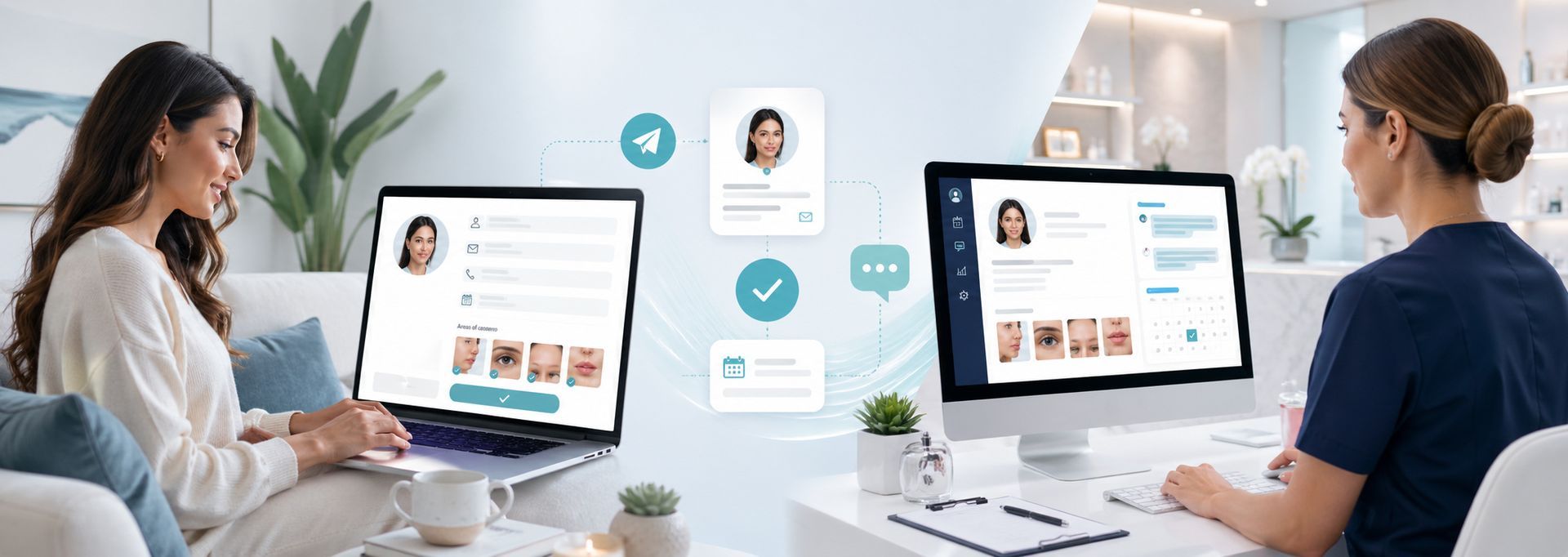
Docovia is designed to eliminate delay without eliminating human connection.
Instant Responses
As soon as a patient fills out a form, Docovia:
- Engages them automatically
- Guides them through next steps
- Collects critical information
- Schedules or pre-qualifies when appropriate
This prevents the “black hole” of waiting overnight or over weekends.
Keeps Leads Warm Until Staff Takes Over
Docovia doesn’t replace your team—it buys them time. Patients stay engaged, informed, and reassured until a team member can step in.
After-Hours Coverage
Many leads submit inquiries between 7 PM and midnight. Docovia ensures no one feels ignored simply because your office is closed.
Human-like Conversations
Patients don’t want robotic chatbots. Docovia responds with empathy, clarity, and natural language—creating trust instead of frustration.
The Results: Faster Follow-Up = More Conversions
Practices that use Docovia typically see:
- 40–70% higher conversion rates
- Dramatically fewer missed leads
- Better patient sentiment and trust
- More efficient staff who aren’t drowning in follow-up work
And most importantly:
Revenue increases without increasing marketing spend.
You’re simply capturing leads you were already generating.
Final Thoughts
Slow follow-up is one of the most expensive and overlooked problems in healthcare. But it’s not caused by incompetence—just outdated expectations placed on overworked staff.
With tools like Docovia, practices finally gain the ability to respond instantly, scale effortlessly, and provide the patient-first experience modern consumers expect.
If your practice feels like it’s doing everything right but still losing leads, start by fixing your follow-up speed. It could be the single biggest revenue unlock available to you.