How to Convert More Website Visitors Into Aesthetic Consultation Requests

Convert Visitors Into Consultation Requests
Your website may be getting traffic. Your treatment pages may be getting views. Your paid ads may be sending visitors to the right places. But if those visitors are not taking the next step, your practice still has a conversion problem.
For aesthetic practices, this is especially common.
Patients often spend days, weeks, or even months researching procedures before they are ready to book an appointment. They compare providers. They look through before-and-after photos. They read reviews. They think about cost, downtime, privacy, results, and whether they are even a good candidate.
That means the traditional website approach of “Call Now” or “Book an Appointment” may not be enough.
Many visitors are interested, but they are not ready to schedule an in-office consultation yet. They need a lower-friction way to raise their hand, ask questions, share their goals, and receive personalized guidance.
That is where a better consultation request process can make a major difference.
For aesthetic practices, the goal is not just to drive more traffic. The goal is to turn more of that traffic into qualified consultation requests.
Why Aesthetic Website Visitors Do Not Convert
Aesthetic patients are not always making quick decisions. Unlike urgent care, routine dentistry, or primary care, many aesthetic services are elective. Patients are choosing to invest in themselves, and that decision usually comes with hesitation.
A website visitor may be interested but still have questions like:
- Am I a good candidate?
- What treatment is right for my concern?
- How much will it cost?
- What will recovery look like?
- Will the result look natural?
- Do I need surgery, or is there a non-surgical option?
- Will I feel comfortable with this provider?
- Can I ask a few questions before committing to an appointment?
These questions create friction.
If the only next step is to call the office or book a consultation, many visitors will leave without doing anything. Not because they are uninterested, but because the step feels too big for where they are in the decision process.
That is the gap your website needs to close.
The Problem With “Book Now” as the Only Call to Action
A “Book Now” button is important. High-intent patients need a direct path to schedule. But not every website visitor is ready to book.
This is especially true for procedures like:
- Plastic surgery consultations
- Injectables
- Laser treatments
- Hair restoration
- Body contouring
- Hormone therapy
- Skin treatments
- Dermatology-related aesthetic concerns
For many patients, booking an appointment feels like a commitment. They may worry that they will be sold to, pressured, or charged before they know whether the treatment is right for them.
That does not mean they are low-quality leads. It simply means they need a different conversion path.
Instead of asking every visitor to book immediately, aesthetic practices should offer a softer next step.
Examples include:
- Request a virtual consultation
- Find out if you are a candidate
- Ask a provider before booking
- Send photos for review
- Get personalized treatment guidance
- Start your consultation online
These calls to action meet patients where they are. They give interested visitors a way to move forward without feeling like they have to commit to an in-office appointment right away.
Give Patients a Lower-Friction Next Step
A strong consultation request process acts as a bridge between passive browsing and active booking.
Instead of expecting the patient to call the office, explain their goals, wait for a response, and schedule an appointment, you can let them start the process directly from your website.
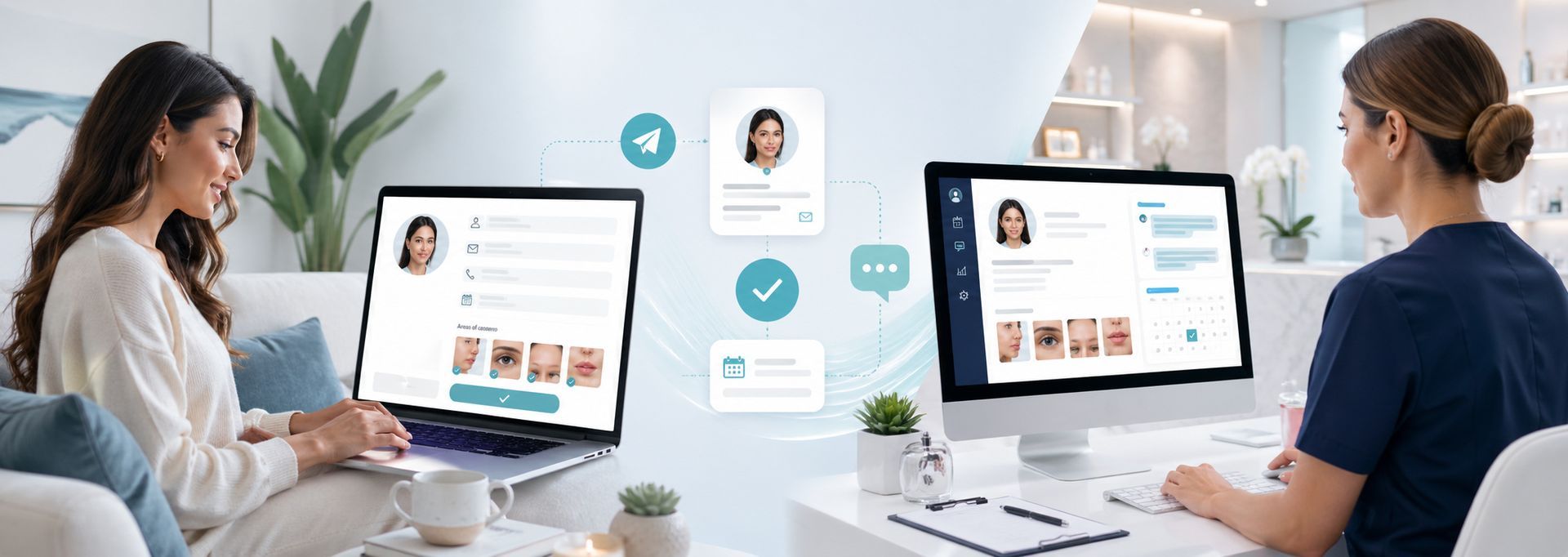
A virtual consultation request allows the patient to share relevant information on their own time. They can describe their goals, upload photos if appropriate, ask questions, and give the practice enough context to respond in a more personalized way.
This is much more powerful than a generic contact form.
A standard form usually says:
Name, email, phone number, message.
A better consultation request says:
Tell us what you are interested in, what you are hoping to improve, when you are looking to move forward, and what questions you have for the provider.
That difference matters.
The more context your team has, the easier it is to qualify the lead, personalize the response, and guide the patient toward the right next step.
What a High-Converting Consultation Request Should Capture
Aesthetic consultation requests should be simple enough for patients to complete, but detailed enough to help your team understand intent.
At a minimum, your process should capture:
Contact Information
You need the basics:
- Name
- Phone number
- Preferred contact method
This sounds obvious, but it is important to make the follow-up process easy and fast.
Treatment Interest
The patient should be able to select the service or concern they are interested in.
Examples:
- Botox or injectables
- Laser resurfacing
- Hair restoration
- Breast augmentation
- Facelift
- Tummy tuck
- Body contouring
- Acne scarring
- Skin tightening
- Hormone therapy
This helps route the lead to the right provider, coordinator, or follow-up sequence.
Goals and Concerns
This is where the consultation request becomes more valuable.
Instead of asking, “What service do you want?” ask what the patient is trying to achieve.
For example:
- “I want to look less tired.”
- “I am interested in improving loose skin.”
- “I want to know if I am a candidate for hair restoration.”
- “I am considering surgery but want to understand my options.”
- “I want a natural result and do not want to look overdone.”
This gives your team insight into motivation, expectations, and fit.
Photos, When Relevant
For many aesthetic treatments, photos are extremely helpful.
A patient may not know whether they need surgery, injectables, laser, or another option. Photos allow the provider or team to give more informed guidance before the in-office consultation.
This can also reduce unnecessary back-and-forth with the front desk.
Timeline
A patient who wants treatment before a wedding in two months is different from someone casually researching for next year.
Ask about timing:
- As soon as possible
- Within 1–3 months
- Within 3–6 months
- Just researching
This helps your team prioritize follow-up and understand urgency.
Budget or Financing Interest
Not every practice will want to ask about the budget up front, but in some cases, it can be useful.
At a minimum, consider asking whether the patient is interested in financing or would like general pricing guidance.
This helps prevent sticker shock later and allows your team to have a more productive conversation.
Previous Treatments
For med spas, dermatology, hair restoration, and plastic surgery, previous treatments can matter.
Ask whether the patient has had similar treatments before, what they liked, what they did not like, and whether there were any complications.
Consent and Communication Preferences
Make sure the patient understands how their information will be used and how your team may contact them.
This is especially important when collecting health-related details or photos.
Speed Matters: Respond While Interest Is High
When someone submits a consultation request, they are showing active intent.
That intent has a shelf life.
If your team waits too long to respond, the patient may:
- Contact another practice
- Lose interest
- Forget what they submitted
- Decide the process feels too slow
- Assume your practice is not responsive
- Book somewhere else
Fast follow-up is one of the simplest ways to improve conversion.
But speed does not mean sending a generic “Thanks, we’ll be in touch” message and calling it done. The response should feel personal and useful.
A strong follow-up might include:
- Acknowledgment of their specific concern
- Confirmation that their request was received
- A clear next step
- A link to schedule
- A personalized recommendation
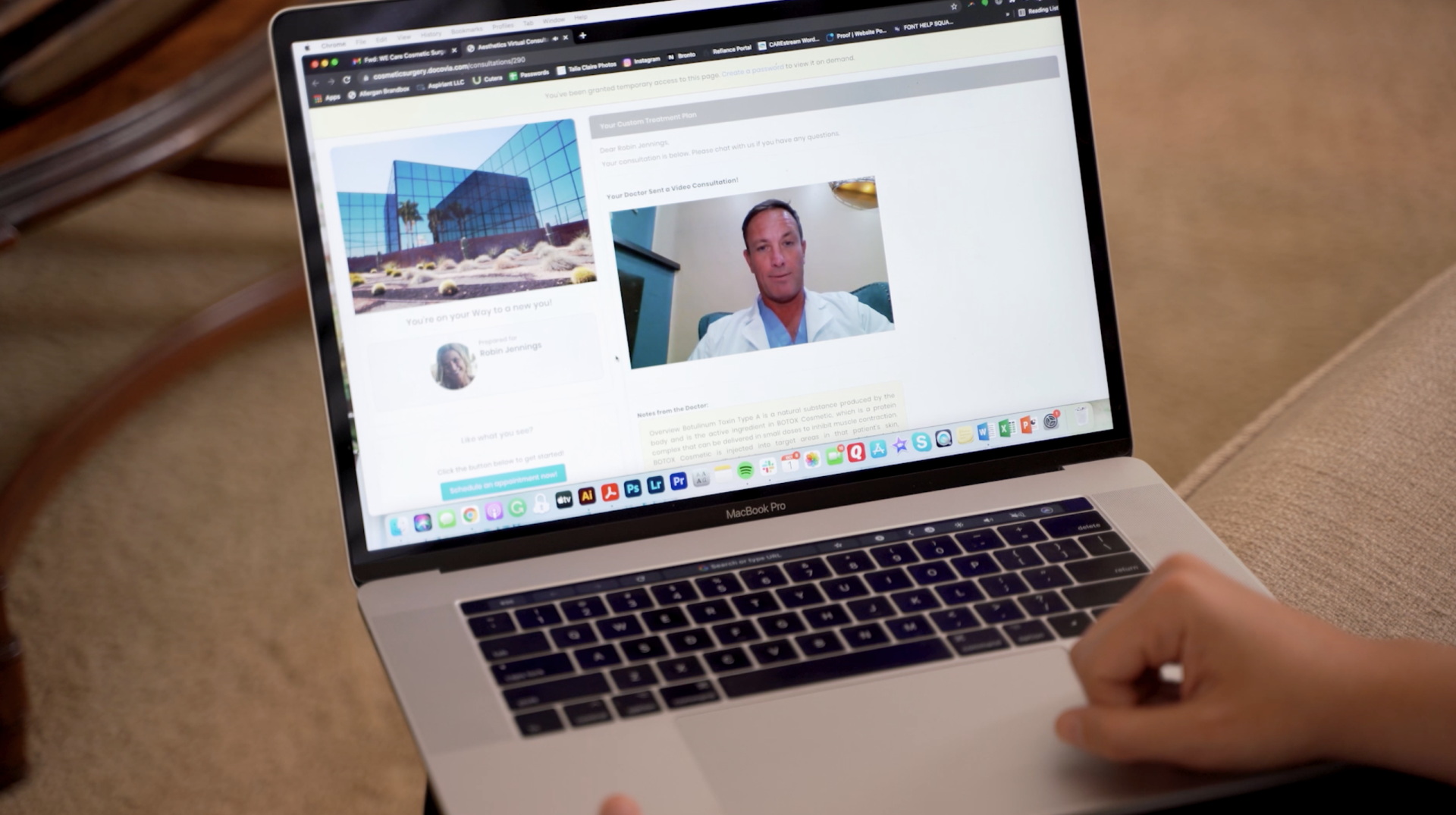
- A short video response from the provider or team
- Relevant treatment education
The faster and more personally you respond, the more likely the patient is to continue the journey with your practice.
Use Personalized Video to Build Trust
Aesthetic decisions are personal. Patients are not just buying a treatment. They are choosing a provider they trust with their appearance, confidence, and body.
That is why personalized video can be so effective.
A short video response can make the patient feel seen before they ever walk through the door.
For example, a provider might say:
“Hi Sarah, I reviewed your consultation request and the photos you submitted. Based on what you shared, I think you may be a good candidate for a combination approach. I would recommend we start with an in-person consultation so we can evaluate your skin quality, talk through your goals, and discuss the best options.”
That kind of response feels very different from a generic email.
It creates connection. It builds authority. It gives the patient confidence that someone actually reviewed their information.
For many practices, this can be the difference between a lead that goes cold and a patient who books.
Pre-Qualify Leads Before They Reach the Front Desk
A better consultation request process does not just help patients. It also helps your team.
Front desk teams and patient coordinators often spend too much time chasing incomplete leads, answering the same basic questions, or trying to determine whether someone is a good fit.
A structured consultation request can help your team understand:
- What treatment the patient is interested in
- Whether the patient’s goals are realistic
- How urgent the request is
- Whether photos or additional information are needed
- Whether the patient should book an in-person consultation
- Whether the patient needs education before scheduling
- Whether the patient is likely to be a good candidate
This creates a more efficient workflow.
Instead of treating every inquiry the same way, your team can prioritize the highest-intent opportunities and respond more intelligently to each patient.
That matters because not every lead deserves the same follow-up.
Some patients are ready to schedule. Some need education. Some need pricing guidance. Some are not a good fit. Some need to be routed to a different service entirely.
The more your consultation process captures upfront, the easier it is to move each person to the right next step.
Place Consultation CTAs Where Patients Are Already Making Decisions
Many practices make the mistake of placing one “Contact Us” button in the website navigation and assuming that is enough.
It is not.
If you want more consultation requests, your calls to action need to appear where patients are already engaged.
Homepage
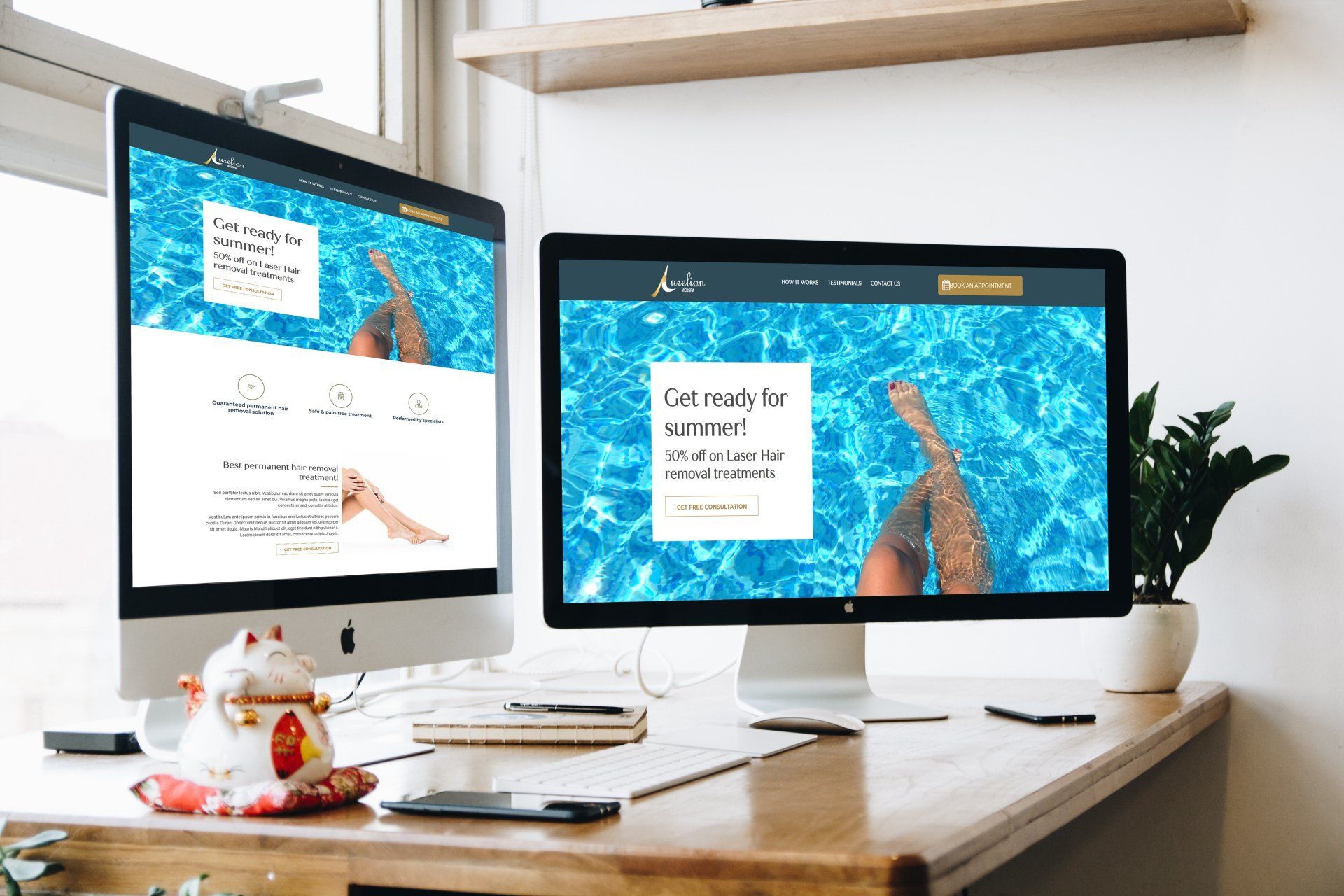
Your homepage should have a clear consultation CTA near the top of the page.
Examples:
- Request a Virtual Consultation
- Start Your Consultation Online
- Find Out If You Are a Candidate
This gives new visitors an immediate path forward.
Treatment Pages
Treatment pages are some of the most important conversion opportunities on your site.
Someone reading about a facelift, laser treatment, injectables, or hair restoration is already showing interest. Do not make them hunt for the next step.
Add consultation CTAs throughout the page, especially after sections that discuss candidacy, results, recovery, or pricing.
Before-and-After Galleries
Before-and-after galleries are high-intent pages.
Patients viewing results are often imagining what is possible for themselves. This is a perfect place to offer a next step like:
Want to know what results may be possible for you? Request a virtual consultation.
Provider Bio Pages
Provider pages are trust-building pages.
If someone is reading about a surgeon, dermatologist, injector, or specialist, they may be evaluating whether that person is the right fit. Add a CTA that lets them ask a question or request a consultation with that specific provider.
Blog Posts
Educational content should not be a dead end.
If a blog post explains a treatment, answers a common question, or compares options, include an inline CTA that invites the reader to take the next step.
For example:
Still wondering which treatment is right for you? Start a virtual consultation and receive personalized guidance from our team.
Paid Landing Pages
If you are paying for traffic, your landing page should make conversion as easy as possible.
Do not send paid traffic to a page with a vague contact form. Give visitors a clear, relevant consultation path tied to the ad they clicked.
Mobile Sticky CTA
Many aesthetic patients browse on mobile.
A sticky mobile CTA can keep the next step visible as they scroll. This is especially useful on long treatment pages, galleries, and blog posts.
What to Measure
If you want to improve website conversion, you need to measure more than traffic.
Traffic alone does not tell you whether your website is creating patients.
Important metrics include:
Consultation CTA Clicks
How many people click “Request a Consultation,” “Start Online,” or similar CTAs?
This shows whether your calls to action are visible and compelling.
Form Starts
How many visitors begin the consultation request process?
If CTA clicks are strong but form starts are weak, there may be a landing page or load-speed issue.
Completed Consultation Requests
How many people finish the process?
If many people start but do not complete the request, your form may be too long, confusing, or asking for too much too early.
Response Time
How quickly does your team respond after submission?
This is one of the most important operational metrics in lead conversion.
Consultation Request to Appointment Rate
How many consultation requests turn into scheduled appointments?
This tells you whether your follow-up process is working.
Appointment Show Rate
How many scheduled consultations actually show up?
This helps evaluate lead quality, reminder strategy, and patient commitment.
Appointment to Treatment Conversion
How many consultations turn into actual treatments, procedures, or plans?
This connects marketing activity to revenue.
Revenue by Source
Where are your best consultation requests coming from?
Track performance by source, such as:
- Organic search
- Paid search
- Paid social
- Referrals
- Website direct traffic
- Social media
- Blog content
This helps your practice understand which channels are generating not just leads, but actual patients.
Your Website Should Do More Than Educate
Aesthetic practice websites often do a good job explaining services. They describe treatments, show photos, introduce providers, and answer common questions.
That is important.
But education alone is not enough.
Your website should also guide interested visitors toward action. It should help patients move from curiosity to confidence. It should make it easy for someone to say, “I’m interested, but I have questions.”
A better consultation request process helps create that bridge.
It gives patients a lower-friction way to connect with your practice. It gives your team better information. It helps providers respond more personally. And it helps convert more of your existing website traffic into real patient opportunities.
The Bottom Line
Most aesthetic practices do not just need more website traffic.
They need a better way to convert the traffic they already have.
If your practice is investing in SEO, paid ads, social media, email marketing, or website design, your consultation process matters. Every visitor who leaves without taking action is a missed opportunity.
By offering a lower-friction consultation request, capturing the right information, responding quickly, using personalized communication, and measuring the full journey, your practice can turn more website visitors into qualified consultation requests.
And those consultation requests are the first step toward more booked appointments, better patient experiences, and more revenue from your digital marketing.
Ready to Convert More Website Visitors Into Consultation Requests?
Docovia helps aesthetic practices turn website visitors into qualified consultation requests through virtual consultations, lead management, patient communication, and personalized provider responses.
Instead of relying only on phone calls, basic contact forms, or “Book Now” buttons, Docovia gives patients an easier way to start the conversation and gives your team the tools to respond with speed, context, and confidence.
Start turning more website traffic into real patient opportunities with Docovia.